

Stress Awareness Month – How cycling can help to reduce stress
In honour of Stress Awareness Month, we’ve explored the use of cycling as a social prescription activity, plus how cycling can help to reduce stress.
April 1, 2026
April marks Stress Awareness Month, an annual event organised by the Stress Management Society to increase public awareness about the causes, effects, and ways we handle stress. The theme for this year is #BeTheChange, focusing on personal agency and the small changes we can make to improve our wellbeing.
When it comes to cycling, many of us are aware of the positive effect it can have on our physical health, but it can be just as beneficial for our mental health too! In honour of Stress Awareness Month, we’ve explored the use of cycling as a social prescription activity, plus how cycling can help to reduce stress.
If “exercise is medicine” could active travel be the prescription?
Cycling is a fun and practical mode of transport for many, but it’s increasingly being used as part of social prescribing programmes. Social prescribing focuses on patient referrals to non-medical activities in their community, such as walking, cycling, the arts and nature activities. The aim is to offer additional support and help address practical, social and emotional needs that affect health and wellbeing, particularly for those with long term health conditions.
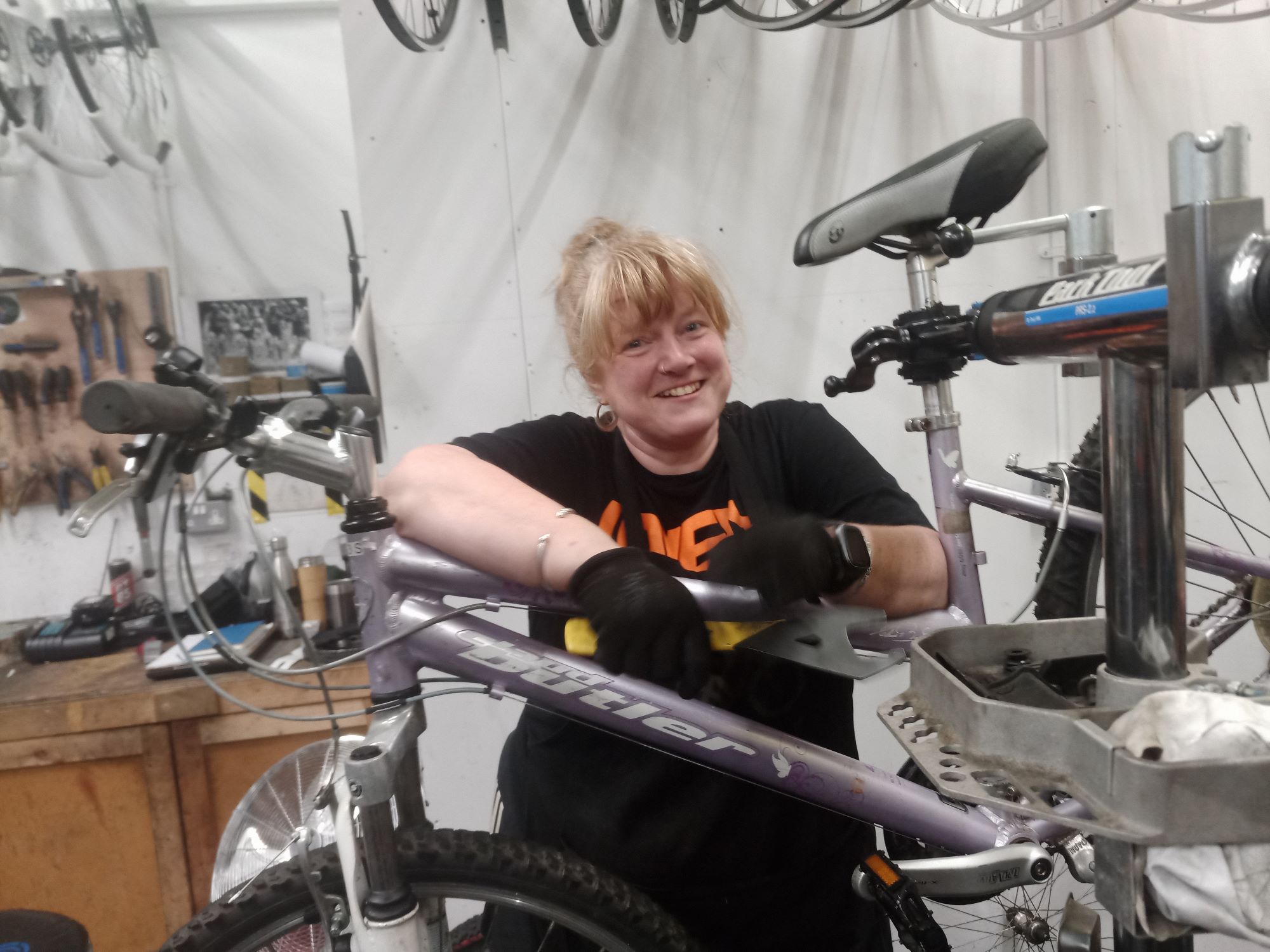
A 2026 innovative pilot project in Bath & North East Somerset looked at the relationship between active travel and social prescribing. Participants could be referred by a GP (or self-refer) for a range of activities, including led cycle rides, inclusive cycling, and cycle maintenance workshops. The evaluation focused on three primary aims: increased active travel for utility purposes, increased physical activity, and improved health and wellbeing.
Qualitative responses found strong improvements in health and wellbeing amongst participants, with some describing social prescription as ‘transformative’. Survey analysis also found positive changes in attitudes and confidence that may lead to participants walking or cycling more for transport.
How does cycling help to reduce stress?
It boosts your mood
Going for a cycle is a mood booster for many of us, but did you know about the science behind it? Cycling releases endorphins – these are natural chemicals which help to reduce pain and lower feelings of stress and anxiety. Exercising on a cycle also increases dopamine and serotonin – key neurotransmitters which regulate and stabilise your mood.
If that wasn’t enough, cycling also helps to lower cortisol levels, the main hormone responsible for stress. A study conducted by BMJ Open found that workers who commuted by cycle had a significantly lower risk of stress compared to non-cycle commuters.
Time spent outdoors
Cycling is the perfect activity to explore the great outdoors, and being outside helps give you an extra mood boost. A 2011 study published in Environmental Science and Technology found that exercising in natural environments was associated with increased energy and positive engagement (compared with exercising indoors). The study also found decreases in tension, confusion, anger and depression amongst participants after exercising outdoors.
Better sleep
Stress and worry can play havoc with our sleep, making it harder to switch off. Stress-led spikes in cortisol can also interrupt the deep, regenerative sleep we need to feel rested and refreshed. However, cycling can help with this too, especially if you cycle outdoors in natural daylight. This helps to synchronise our circadian rhythm, which is crucial for a natural, regular sleeping pattern.
From a biochemical perspective, cycling triggers the release of endocannabinoids. These naturally occurring neurotransmitters reduce stress hormones like cortisol and help us feel more relaxed.
Social connection
Multiple studies, including this 2024 paper from World Psychiatry, have found that social connection is a critical factor for both mental and physical health. One of our favourite aspects of cycling is the many different social opportunities it brings!
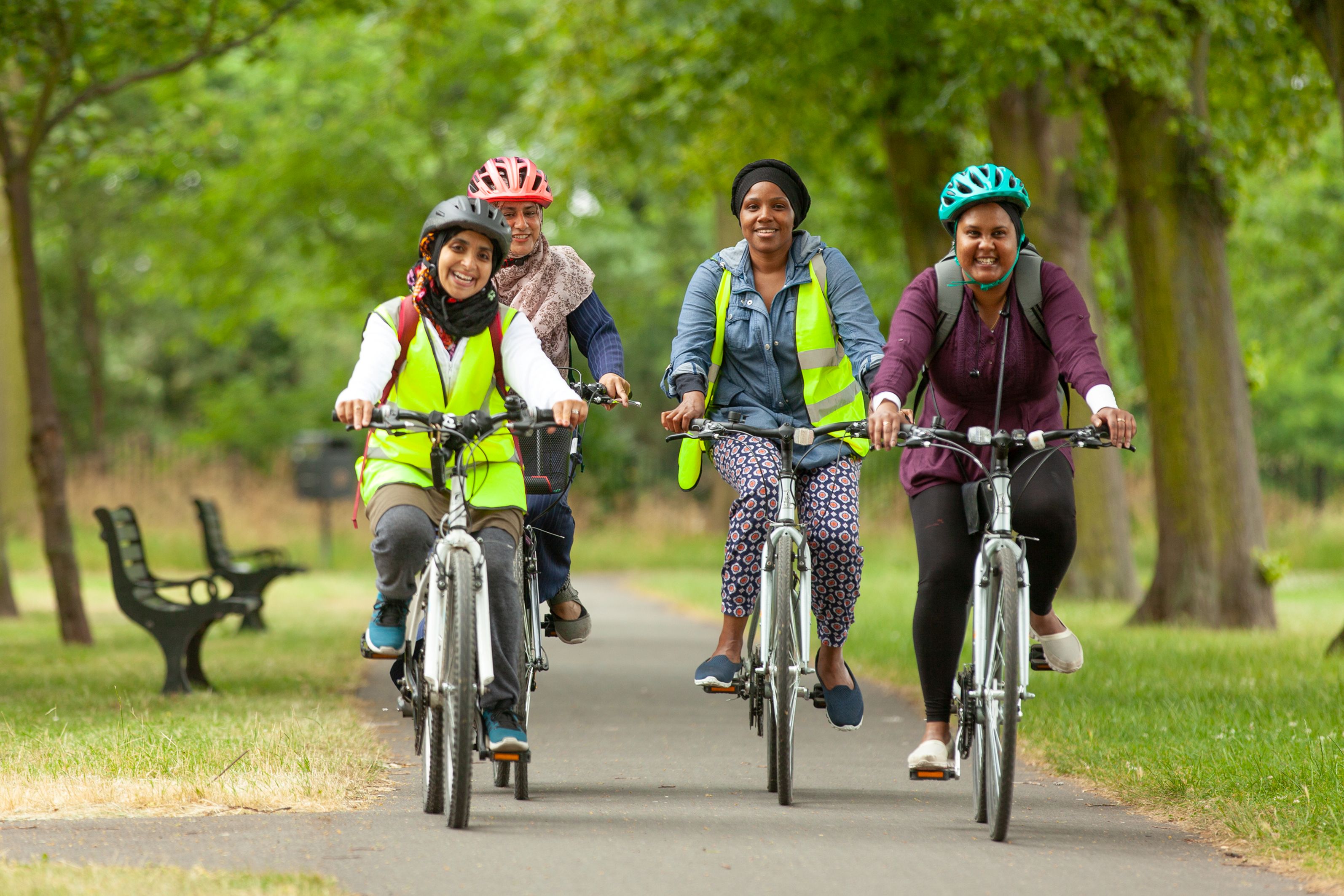
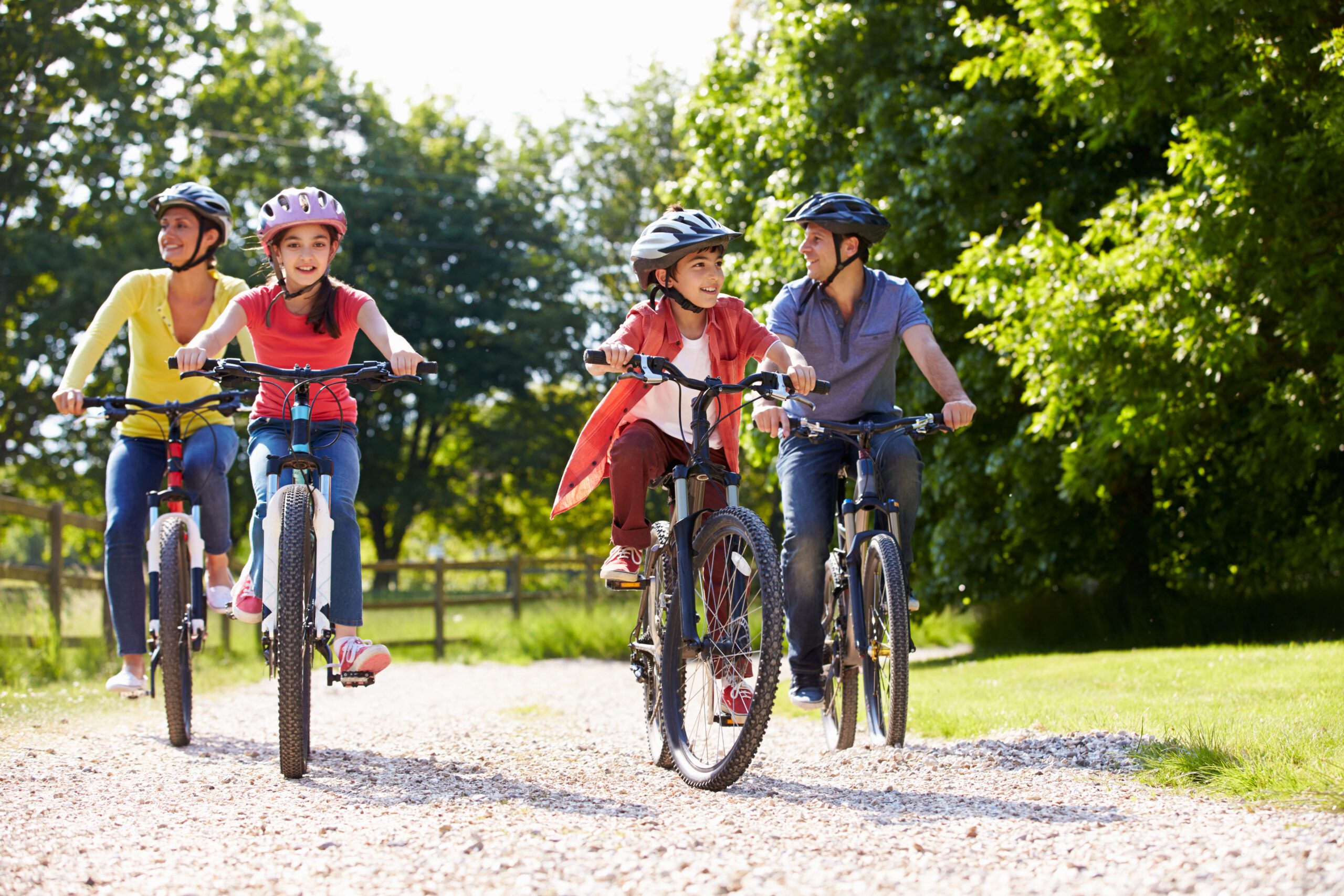
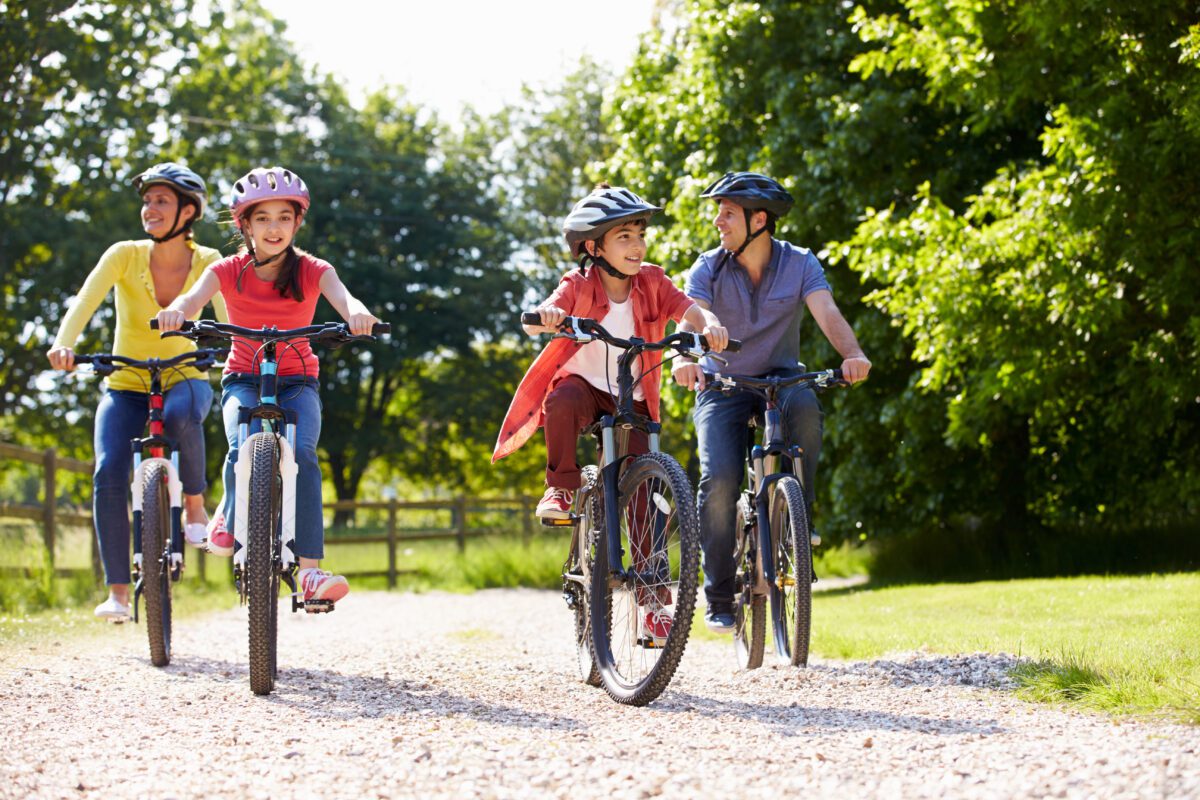
These include joining a cycling group, going for a ride as a family, or even just smiling at fellow solo cyclists as you pass. Feeling part of a wider community and sharing experiences can both play a vital role in alleviating feelings of stress.
Fun, stress-busting cycling activities
Not sure where to start? Below are some of our favourite fun cycling activities to help reduce stress.
Join a cycle group
Joining a local cycling club is a great way to meet like-minded people. As we’ve mentioned above, social connection is a highly effective way to de-stress and have a lot of fun along the way! You can find out more about inclusive cycling organisations in the roundup we put together here, or use Cycling UK’s local group search to find a club in your area.
Explore a new area
Exploring a new area or route is one of the simplest ways to destress and have fun on your cycle. Take a detour from your usual path to work or head out into the countryside to see what hidden gems you might find.
Themed rides
Take cycling fun to the next level with a group themed ride! This could be fancy dress, a cycle treasure hunt, a charity fundraiser – the options are endless.
Exciting rest stops
Build fun pit stops into your cycle, especially if you’re planning a longer route. Pack a picnic, visit a new coffee shop or find a beautiful spot in nature to relax and unwind.
If you’re ready to pedal more and help reduce stress, find your nearest Bikeability cycle training here. We offer training for children, adults, families, and schools – everyone’s welcome!