

Bikeability inspires Gen Alpha to choose cycling for regular exercise
To mark World Obesity Day, The Bikeability Trust highlights evidence that cycle training boosts children’s exercise levels
March 3, 2026
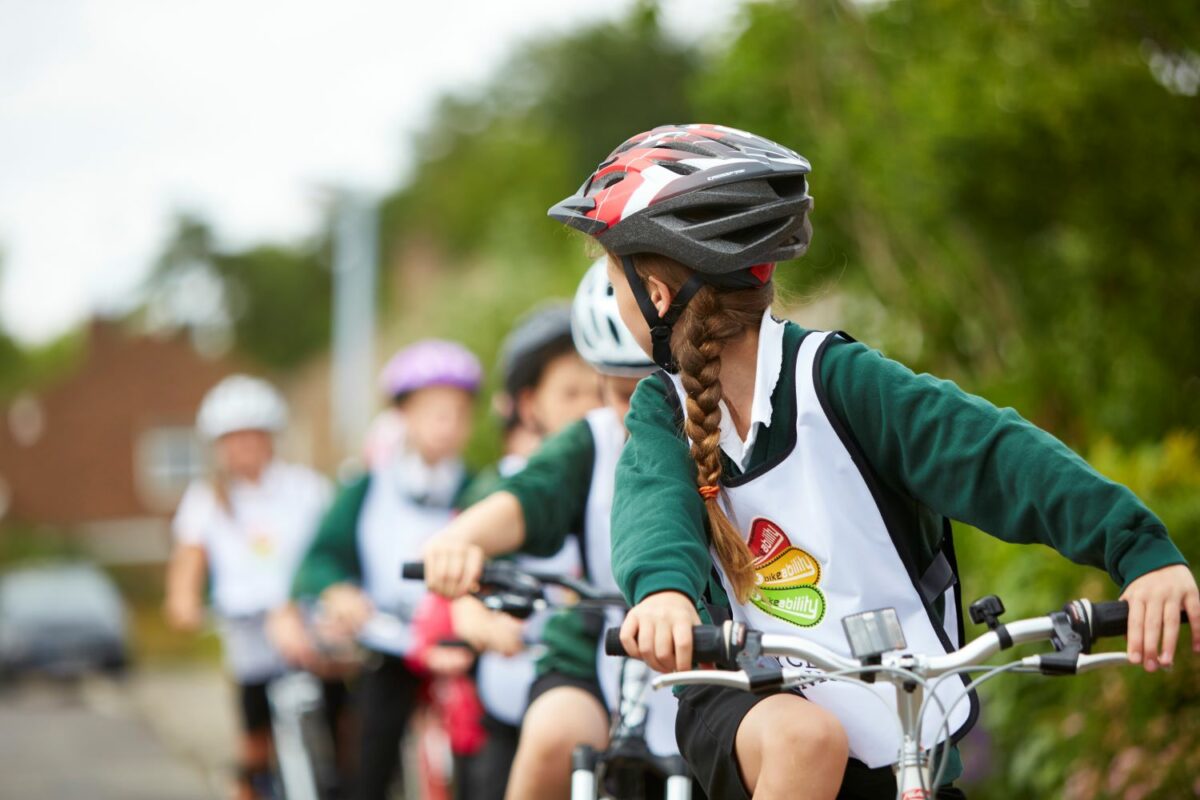
Organisations behind World Obesity Day say childhood obesity is on the rise, with rates among school-aged children increasing almost fivefold since 1975. In England, the Royal Society for Public Health predicts the majority of children will be overweight or obese in nine areas by 2035, all of which would benefit from increased uptake of Bikeability, the Department for Transport’s national cycle training programme for schoolchildren in England.
Evidence from The Bikeability Trust shows that children who complete Bikeability Level 2 are nearly three times more likely to cycle for exercise than they were before training: pre-training, 13% of riders cycled for exercise 1–3 times per week. After training, 38% said they intended to do so. This level of active travel can significantly reduce the amount of time spent sedentary.
And importantly, Bikeability supports parents in encouraging their children to cycle as a form of exercise – after seeing their child take part, 96% of parents are likely to encourage them to cycle. Intention to cycle to school and cycle for leisure also increases after Bikeability training, but the biggest jump is seen when we look at cycling as a form of exercise for children.
Bikeability inspires children and parents to cycle for health
Cycling from a young age is linked to better general health and lower risks of conditions such as high blood pressure and diabetes; establishing active travel habits early in life makes children more likely to continue healthy behaviours into adulthood. Young people who complete Level 2 also report higher levels of subjective wellbeing than those who haven’t taken part. Increasing physical activity and supporting mental health are both key drivers of obesity prevention.
Emily Cherry, Chief Executive of The Bikeability Trust, said: “World Obesity Day is a powerful reminder that children’s movement has a huge impact on their long‑term health. Bikeability gives children the skills and confidence to cycle, helping them to build healthy habits for life. But to truly transform health outcomes for a generation, we must prioritise child-friendly cycle routes such as the national mayoral walking, wheeling and cycling network. Bikeability creates the skills – child-first infrastructure helps put them into practice.”