

Cycling and children’s mental health – Children’s Mental Health Week 2026
We explore the positive impact of cycling for mental health, in honour of Children’s Mental Health Week.
February 5, 2026
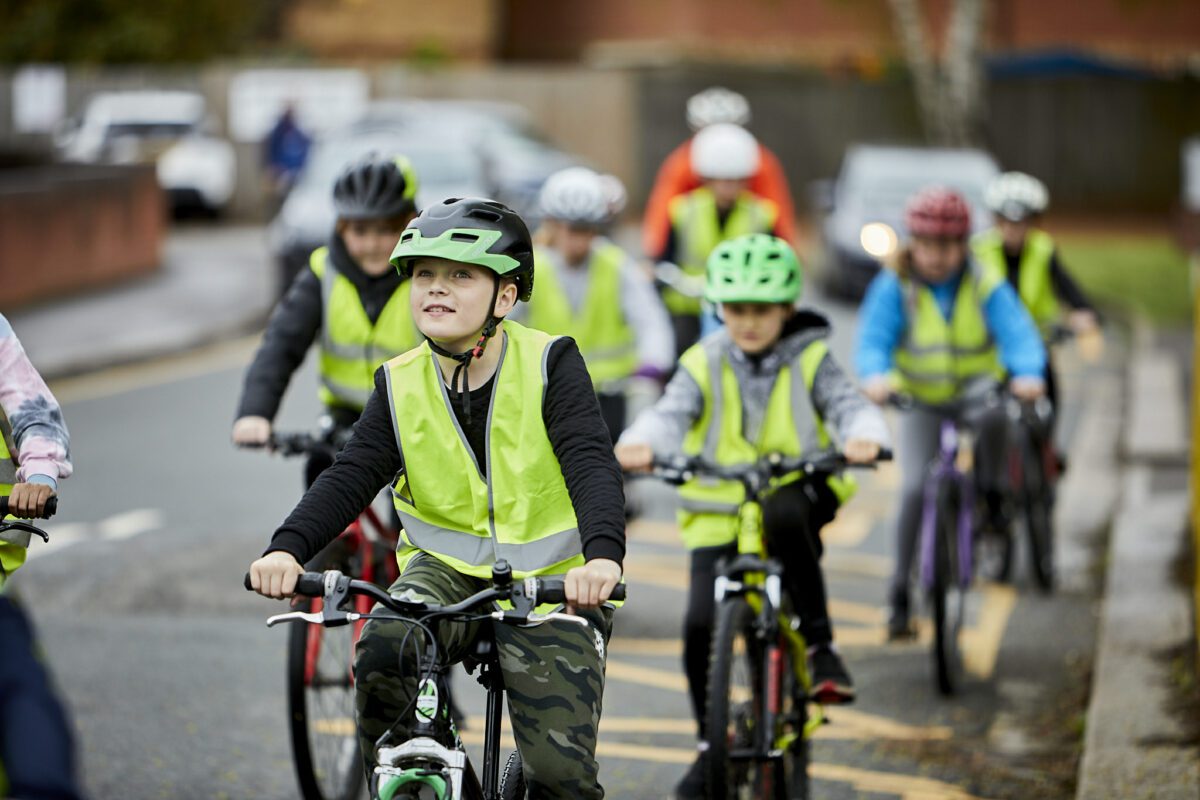
The 9th to 15th February 2026 marks Children’s Mental Health Week, an annual awareness week launched by children’s mental health charity Place2Be. At The Bikeability Trust we want every child to thrive, and understand the powerful impact that cycling can have on children’s mental and physical wellbeing.
In honour of this year’s Children’s Mental Health Week, we’ve looked at the positive effects that Bikeability training has had on children’s mental wellbeing, plus the overall benefits of cycling for children’s mental health.
The impact of Bikeability training on children’s mental wellbeing
A 2025 UK study published in BMC Public Health explored the long-term impacts of Bikeability Level 2 cycle training; our national programme delivered to children aged 9-11. Researchers examined whether completing cycle training and cycling regularly were linked to young people’s wellbeing later in adolescence.
One of the clearest findings was the strong link between regular cycling and higher mental wellbeing. Young people who cycled at least once a week scored significantly higher on the Warwick-Edinburgh Mental Wellbeing Scale (WEMWBS) than those who rarely or never cycled. Weekly cyclists scored an average of 60, compared to 47 – 48 for those who cycled rarely or not at all.
In practical terms, this suggests that children who cycle regularly report feeling more positive, relaxed, confident and connected — all key components of good mental health. Taken together, the findings suggest that cycling can support children’s mental health by combining:
- Physical movement
- Time outdoors
- Autonomy and independence
- Increased confidence and competence
- Opportunities for social connection
We’ve looked at these benefits for mental health in more detail below.
How cycling helps to support children’s mental health
Social connection
The official theme for this year’s Children’s Mental Health Week is ‘This is My Place’, focusing on the importance of inclusive, nurturing environments. One of our favourite things about cycling is the opportunity for social connection – cycling offers contact with others on many different levels!
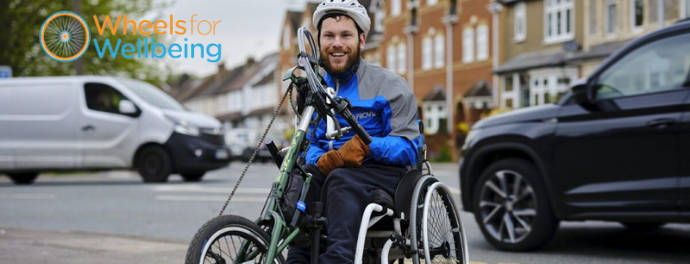
This could mean riding to school with friends, enjoying a weekend cycle with your family, joining a cycle club, or taking part in Bikeability training at school! There are also plenty of options for inclusive cycling for children with learning or physical disabilities, such as the charity Wheels For All.
Reduced anxiety and stress
Cycling can be a powerful tool to help children manage symptoms of stress and anxiety. A 2024 report published by Sport England found strong and consistent evidence for the positive effects of sport and physical activity on children’s mental health conditions.
Aerobic exercise (like cycling!) releases endorphins, which act as natural pain relievers and mood stabilisers to help reduce stress hormones like cortisol. Just 20 – 30 minutes of cycling several times a week can be enough to see a positive improvement.
Increased confidence and self esteem
Cycling isn’t just a way of getting from A to B – it’s a great way to build children’s confidence and self esteem too. Gaining new skills, mastering balance, or completing a challenging ride gives children a sense of achievement, which is key for enhancing confidence and self-worth.
Freedom of movement
Findings from a 2024 report published by Move Free found that children’s mental health is closely linked to their freedom of movement. Cycling is a fun, easy way for children to reach new areas, allowing them to explore independently and strengthen their sense of adventure. This helps to foster a stronger sense of confidence and autonomy, giving a positive boost to mental health.
Time outdoors
Any type of exercise can have a positive effect on mental health, but cycling provides an extra boost as you can take part outdoors! A 2011 study published in Environmental Science and Technology found that exercising in natural environments was associated with greater feelings of revitalisation, increased energy and positive engagement when compared to exercising indoors. Being outdoors is also crucial to improve vitamin D uptake, which can help combat symptoms of seasonal depression.
We’re very proud of the positive impact that cycling can have on children’s mental health. At Bikeability, we’re here to teach children a vital skill that they can use for life, with the hope of improving wellbeing across the ages. Ready to get started? Find out more about Bikeability training in your area here.
Related Content