

Meet Jersey Sport’s Jay Cracknell
We caught up with Jay Cracknell, Jersey Sport’s Active Travel Officer, to find out more about the excellent work they’re doing to encourage cycling on the island.
September 2, 2026
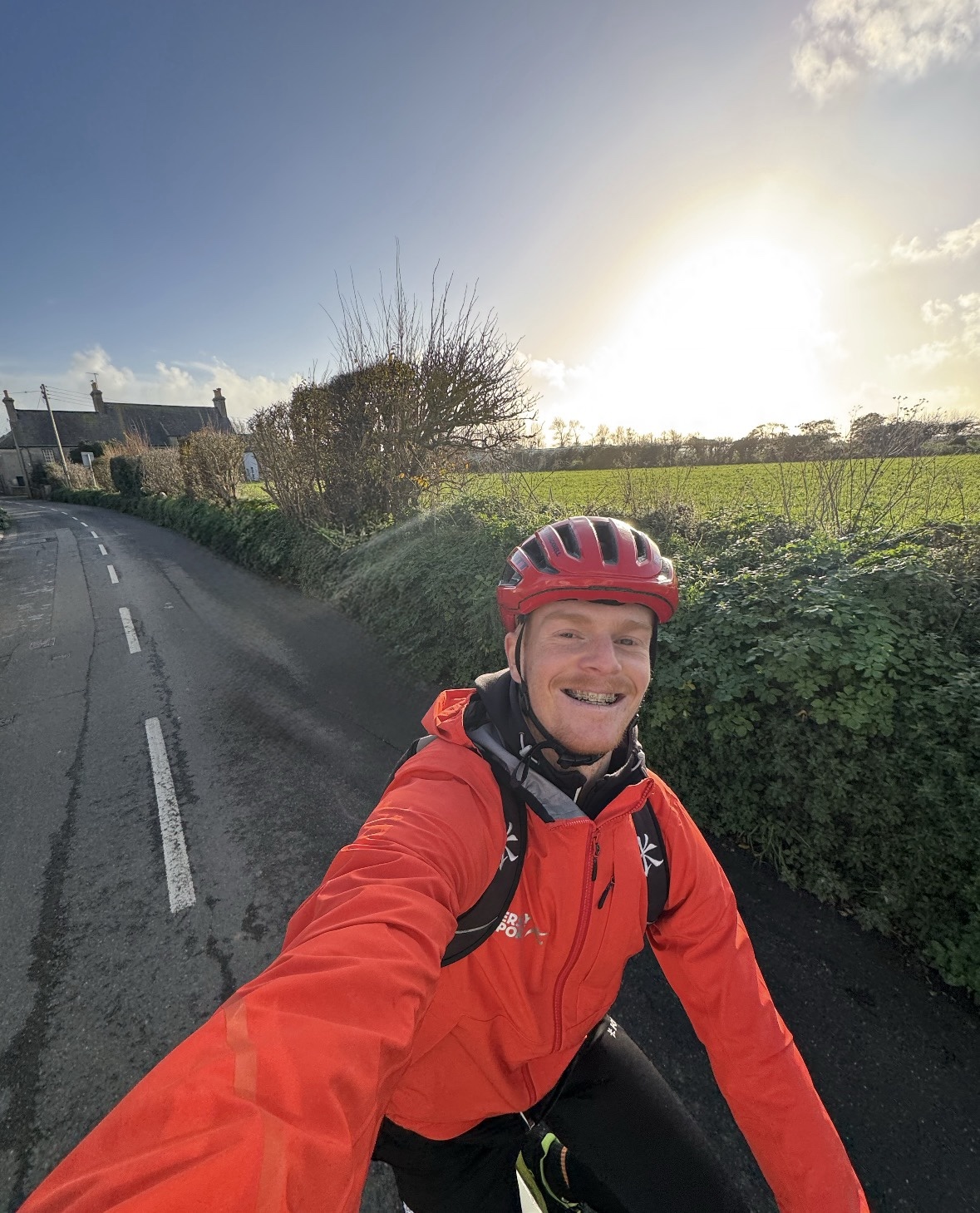
Founded in 2017, Jersey Sport is the independent body for the development of sport and active living in Jersey. We caught up with Jay Cracknell, Jersey Sport’s Active Travel Officer, to find out more about the excellent work they’re doing to encourage cycling on the island. From bike bus leader training to cycle access schemes, find out more in our interview below!
What prompted you to start a bike bus in Jersey?
At the start of 2025, we got together with the Government of Jersey and started focusing on active travel alongside their climate team. We had a plan in place and there were certain things they wanted us to deliver, and bike buses were one of the things we really needed to get going.
I’m so passionate about cycling. I love it and I do it as a sport as well, so I just want to get more people riding. We’ve had what we call a “cycling crocodile” on the island for quite a while, run by some passionate parents at one school, but we wanted to help more schools get involved and build something bigger.
How did you grow and expand bike bus delivery?
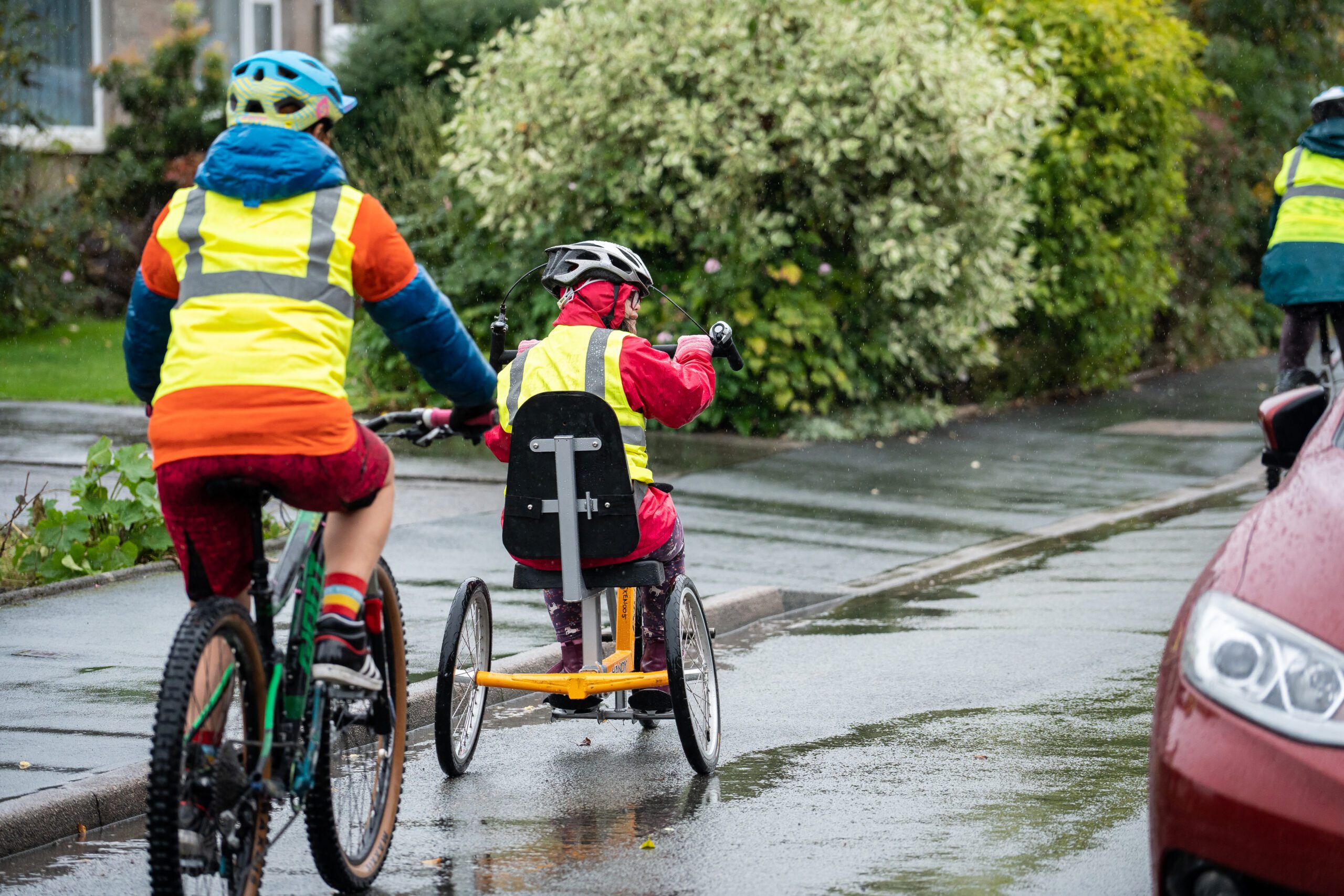
We started by running bike bus leader training. The first training had six schools on board and nine people attended, and we’ve now got a further three bike buses up and running!
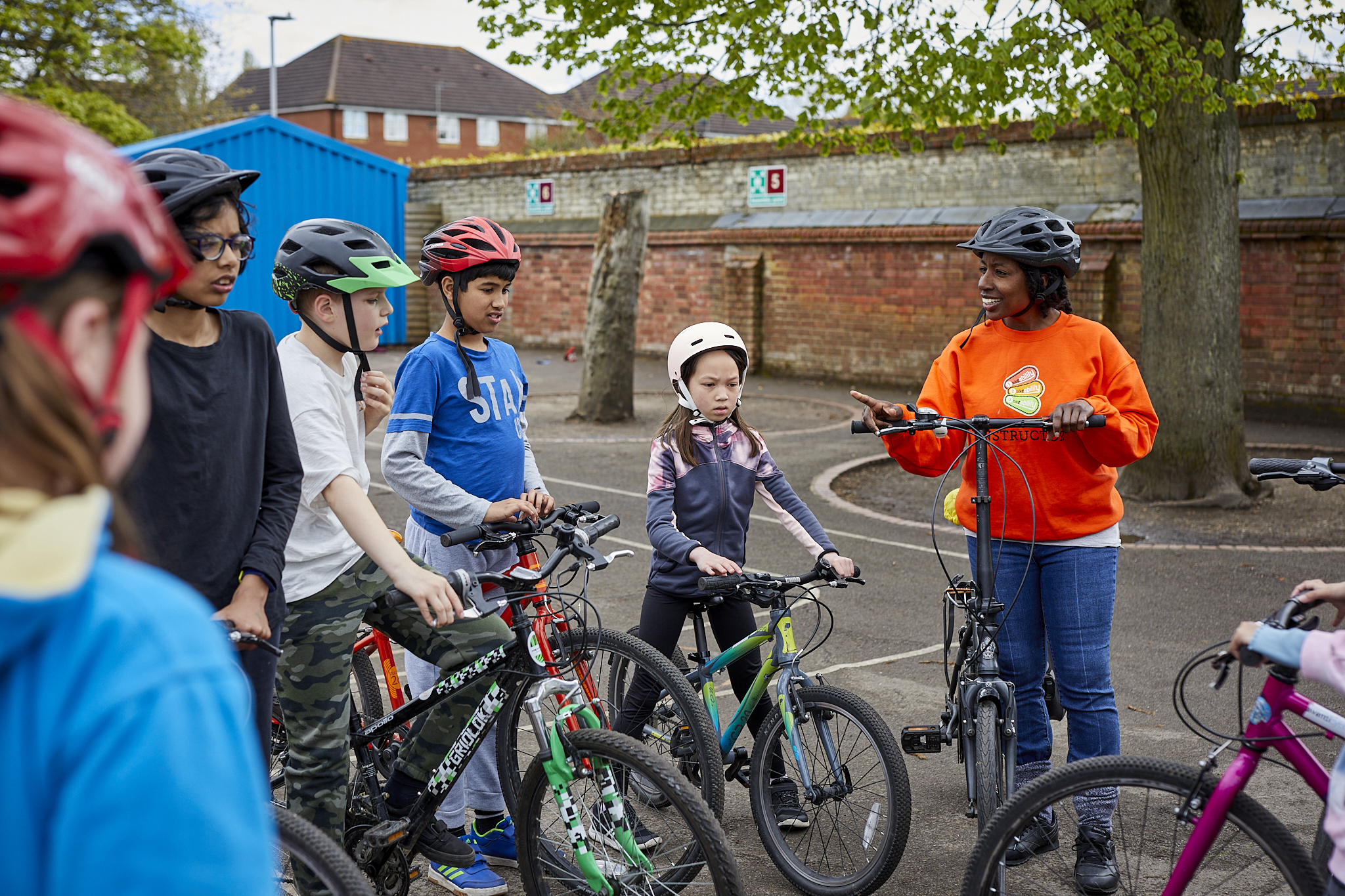
We used the Bikeability Trust bike bus guide and adapted it to suit Jersey. We created our own training materials and templates, while using the guide as the foundation. The training combined classroom learning with practical riding; we spent time explaining what a bike bus is, how to get started and helping people complete paperwork and risk assessments.
After the training, I’d join leaders to recce their routes, check their risk assessments, suggest any changes and then sign them off. That way they felt confident and ready to get started.
For us, bike buses provide a really comprehensive pathway alongside all our other cycling programmes. Children can start on balance bikes, progress through Bikeability and then continue riding to school through a bike bus.
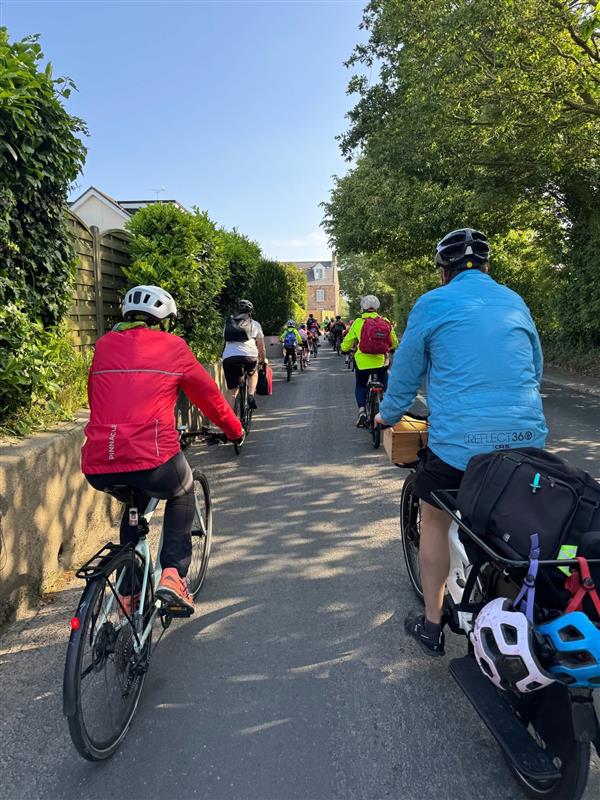
“Bike buses provide a really comprehensive pathway alongside all our other cycling programmes. Children can start on balance bikes, progress through Bikeability and then continue riding to school through a bike bus.”
In your opinion, what makes bike buses such a valuable initiative?
The biggest benefits have to be for the children. They arrive at school having had a really nice start to their day. They’re awake, energised and ready to learn.
There are so many benefits around increasing physical activity levels, improving wellbeing and supporting mental health. Children are also socialising with friends and adults, learning how to use the road safely and gaining confidence.
If you’re driven to school every day, perhaps sitting on a screen, you’re not getting those experiences. By attending a bike bus, children might be happier, fitter and healthier.
There are benefits for adults too. It improves their physical and mental wellbeing and gives them a positive start to the day. Parents build relationships with their children and their children’s friends. For school staff, it’s part of building positive relationships and trust with pupils.
There are also wider benefits. Riding as a group is safer than someone riding on their own because it’s more visible, and every child cycling to school is helping reduce traffic on what is already a very car-centric island.
What do you enjoy most about bike bus?
What I enjoy most is seeing the impact of the work every day.
We’re a small island, so I’ll be riding along and see someone we’ve taught cycling safely, and I’ll notice them using the right signals or confidently riding their bike. It’s really reassuring because you can see the difference you’re making.
I also love seeing adults progress through our programmes. We’ll help someone learn to ride, build their confidence and then see them riding with their children. If they hadn’t come to us, perhaps their child might never have started cycling either.
It’s just so rewarding. Sometimes unlocking that one barrier creates opportunities for an entire family to ride together.
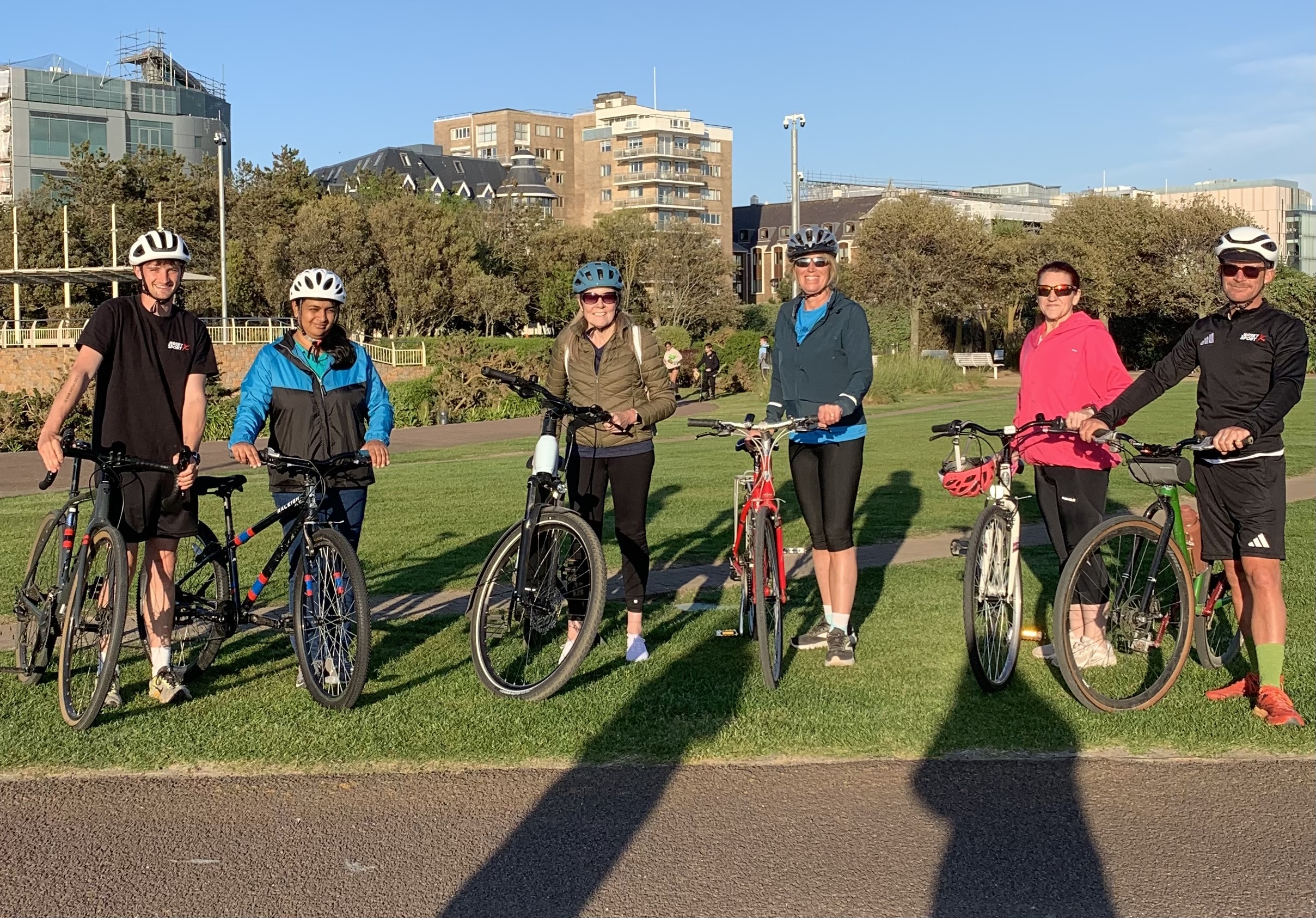
“I love seeing adults progress through our programmes. We’ll help someone learn to ride, build their confidence and then see them riding with their children. If they hadn’t come to us, perhaps their child might never have started cycling either.”
Do people still volunteer to help with bike buses once their own children have left the school? How do you recruit and retain volunteers?
Volunteers are definitely one of our biggest challenges. Jersey is a busy place and finding people willing to give their time can be difficult.
Some of our bike bus leaders are actually school teachers who are passionate about cycling. That’s a really nice, continuous way of keeping a bike bus running because, as long as they’re at the school, they’re still able to support it.
When it comes to parents, their children will eventually move on, so I don’t necessarily see all of them staying involved forever. The key is creating a steady turnover of people attending, helping out and learning how it’s done so others can step into those roles.
What help is available for children and families who would like to take part in bike bus but don’t have access to cycles?
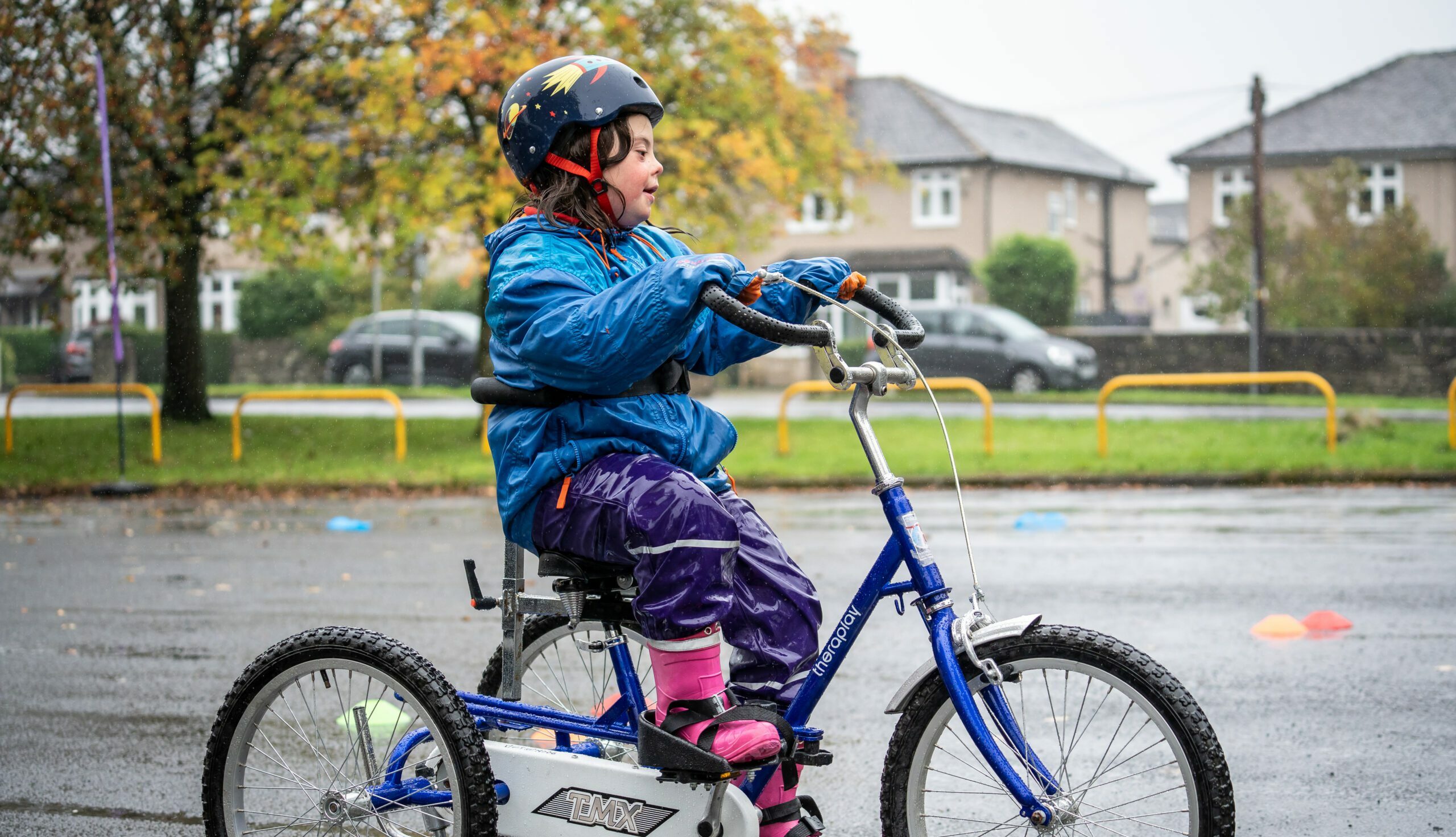
We’re really lucky because we have a massive fleet of cycles that we use for our school and holiday programmes, ranging from balance bikes all the way up to adult bikes.
Many of those cycles have been donated by the local community. Two members of our team are mechanics, so we refurbish and maintain them. It’s great because one donated bike can help hundreds of people over its lifetime.
We’re also developing a Cycle Access Scheme. Working with local charities, schools and community organisations, we’ll provide refurbished bikes free of charge to families who otherwise couldn’t afford them. Bikes will come from community donations, local refurbishment projects and even bikes recovered from around the island and restored for reuse.
We see children who learn to ride and then tell us they don’t have a bike at home. That’s exactly the barrier we’re trying to remove, because we don’t want the positive impact of that training to be lost.
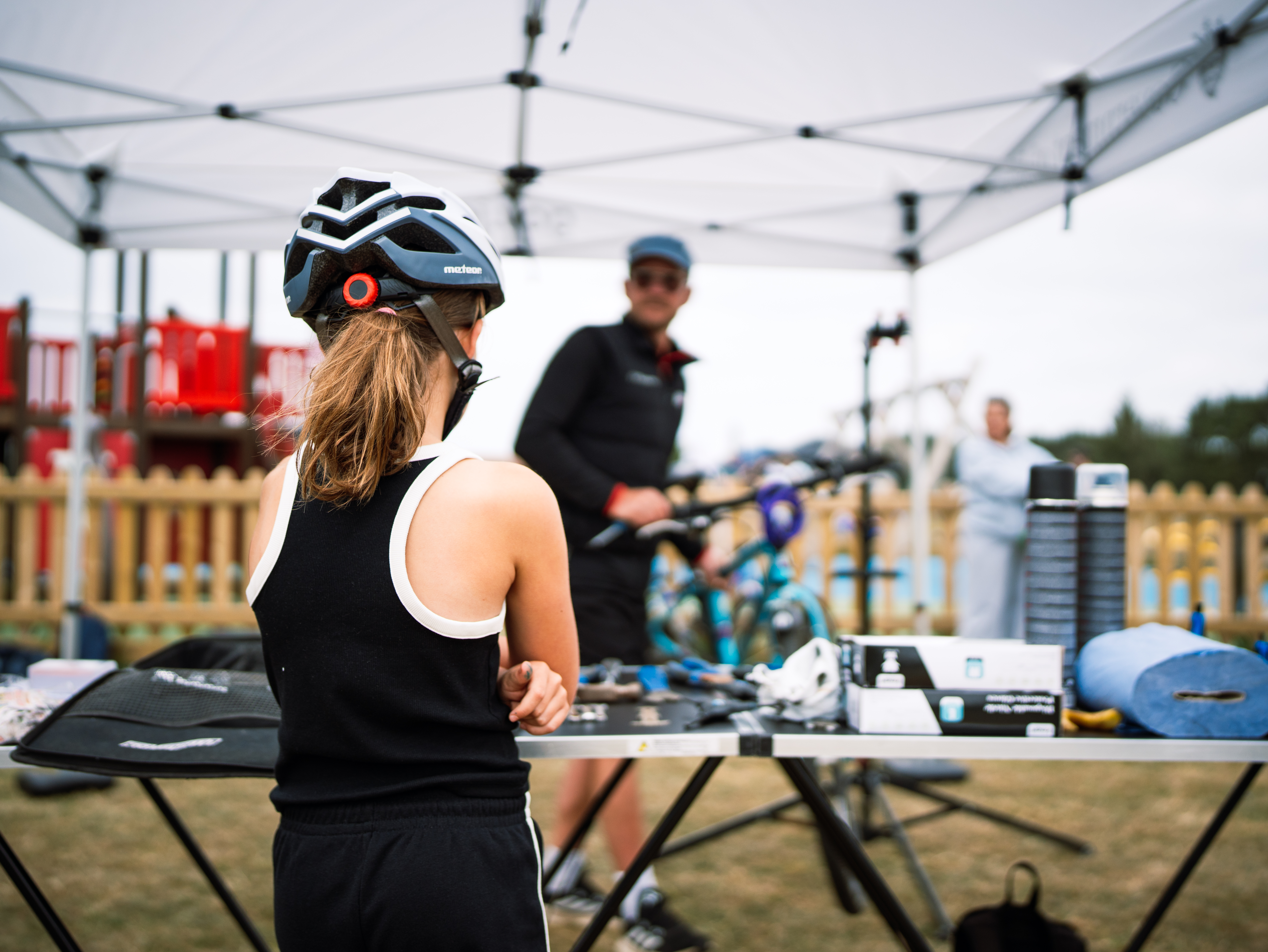
“We see children who learn to ride and then tell us they don’t have a bike at home. That’s exactly the barrier we’re trying to remove, because we don’t want the positive impact of that training to be lost.”
What are your top tips for someone who wants to start a bike bus for the first time?
Just go for it. Get started, do it. Don’t look back, look forwards.
Shout about it as much as you can. Tell people why they should get involved. Tell your friends, tell their friends and talk to people at the school gate. Make sure people know about it.
And get someone on board with you. One person can find it difficult, but with two people it becomes much easier to get something simple and successful up and running.
About Jersey Sport
Formed in 2017, Jersey Sport is the independent body for the development of sport and active living in Jersey. Supported by the Government of Jersey, they became a registered charity in 2019, with the aim to make sport and physical activity more accessible for everyone.
It’s not just cycling either – Jersey Sport run a full range of sports programmes for both children and adults, including swimming, run clubs, surfing, martial arts, netball, and much more! Find out more about Jersey Sport and the fantastic work they do on their website here.
Start your own bike bus
Have you been inspired to start your own bike bus? Find everything you need to get started on The Bikeability Trust’s bike bus leader guide page. You’ll find a range of useful videos, practical guides and resources, including example route plans, rider consent forms, leader ride guides, and much more.