Road Safety Week: Why cycle training is key to road safety
This Road Safety Week, we look at the evidence that supports cycle training as key to road safety.
November 5, 2026
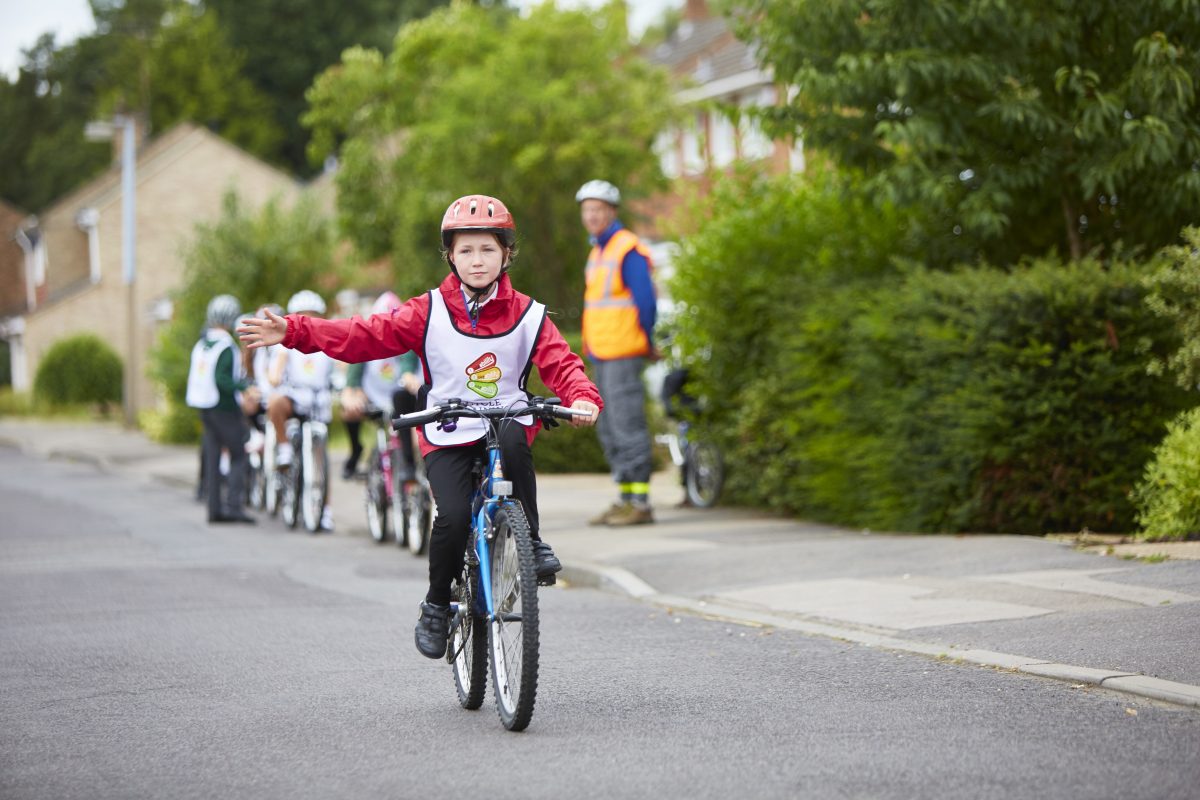
Running from the 15 – 21 November 2026, Road Safety Week is the biggest national campaign from the road safety charity Brake. Taking place each November, Road Safety Week raises awareness of the devastating impact of road death and injury and calls for key measures to make roads safer.
This year’s theme is ‘Safe People on the Move’, encouraging everyone who walks, wheels, rides or drives to consider the role they play in preventing road death and serious injury.
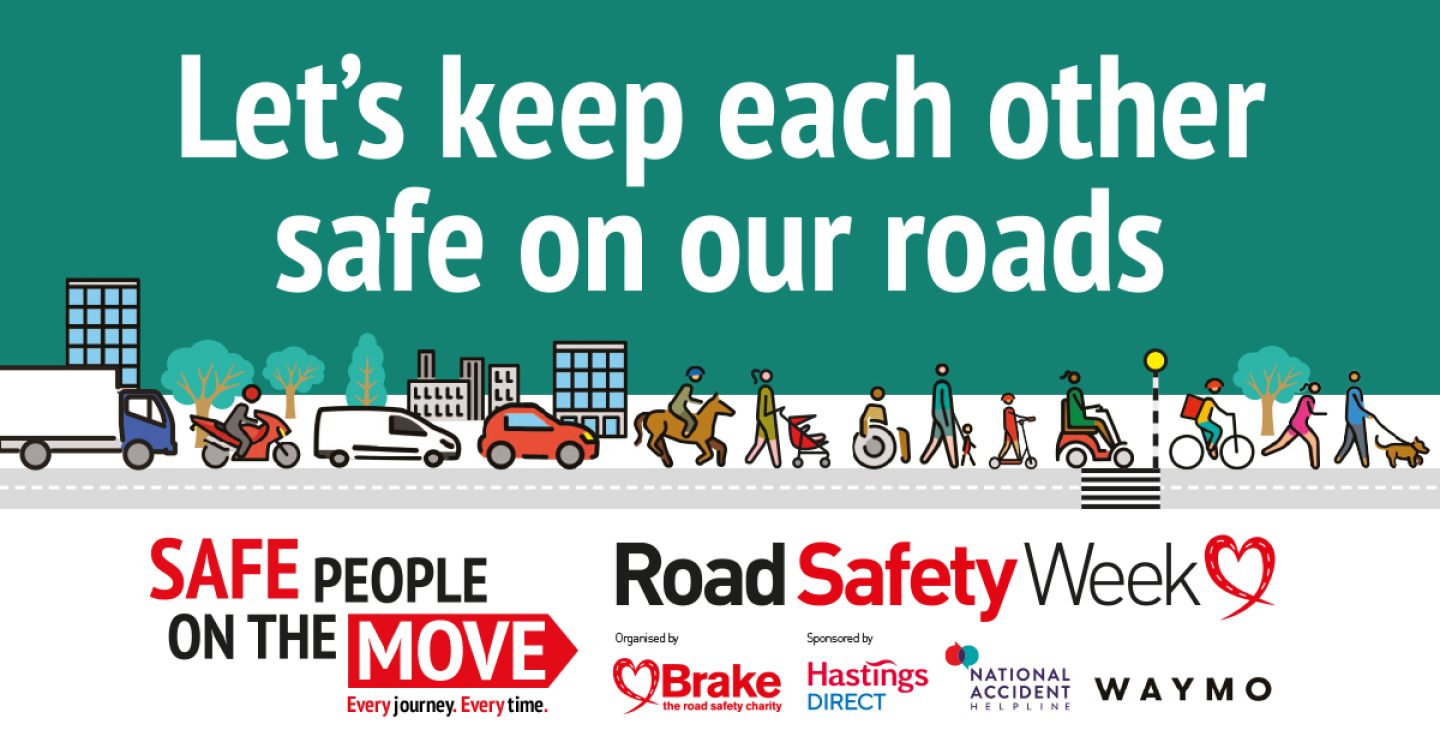
This year’s Road Safety Week is all about people. It’s about the way that we use our roads, and how we can all be safe when we’re on the move.
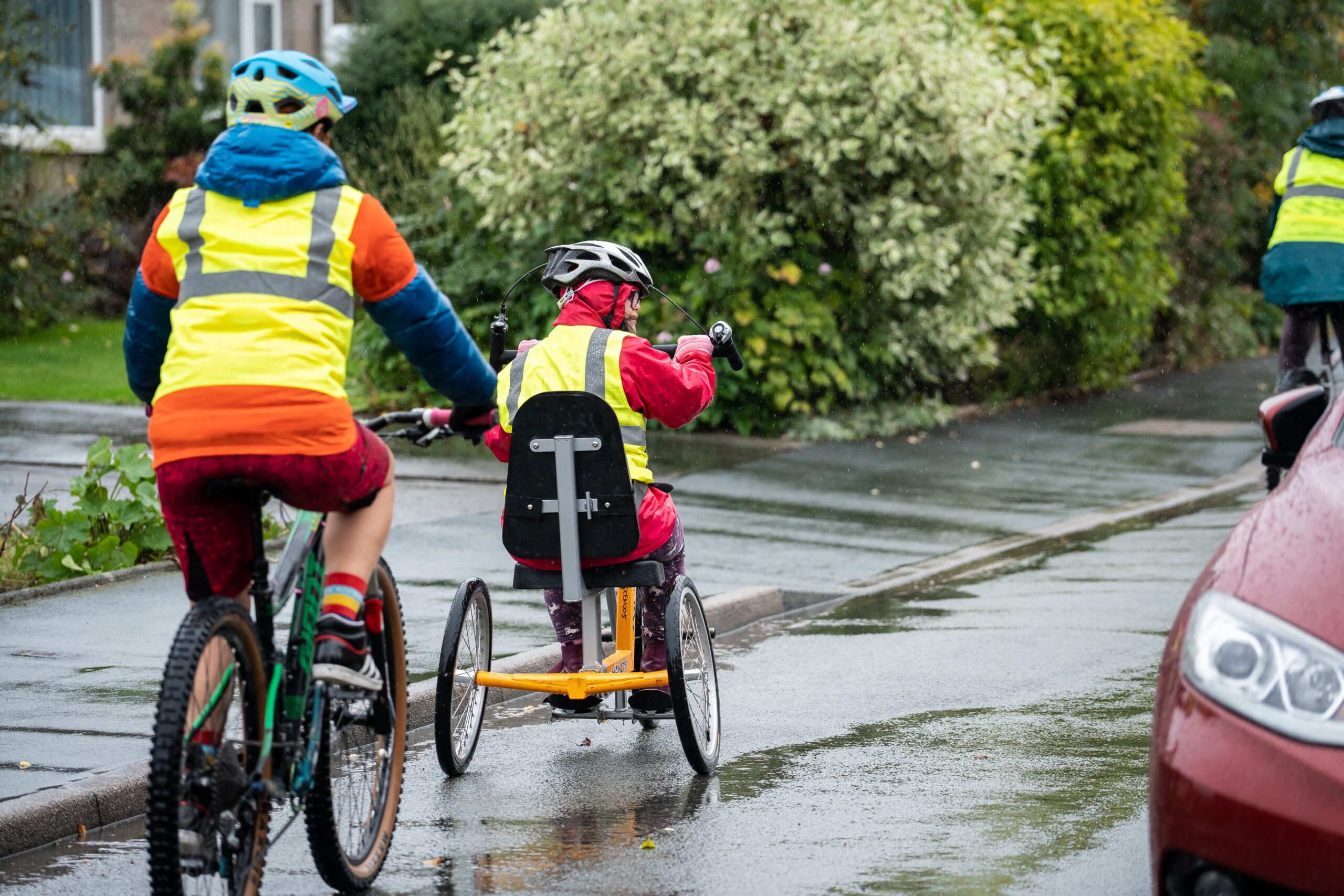
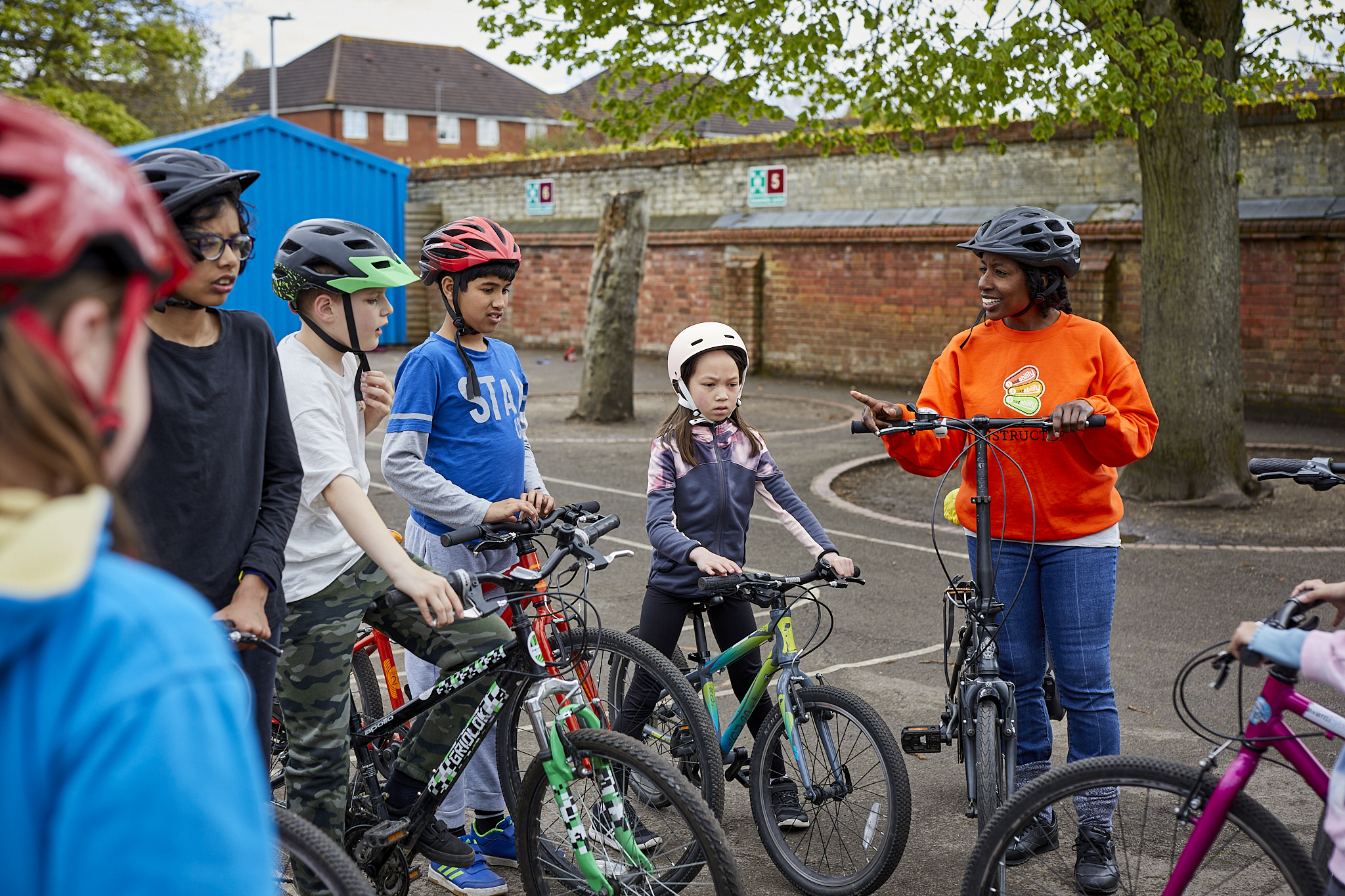
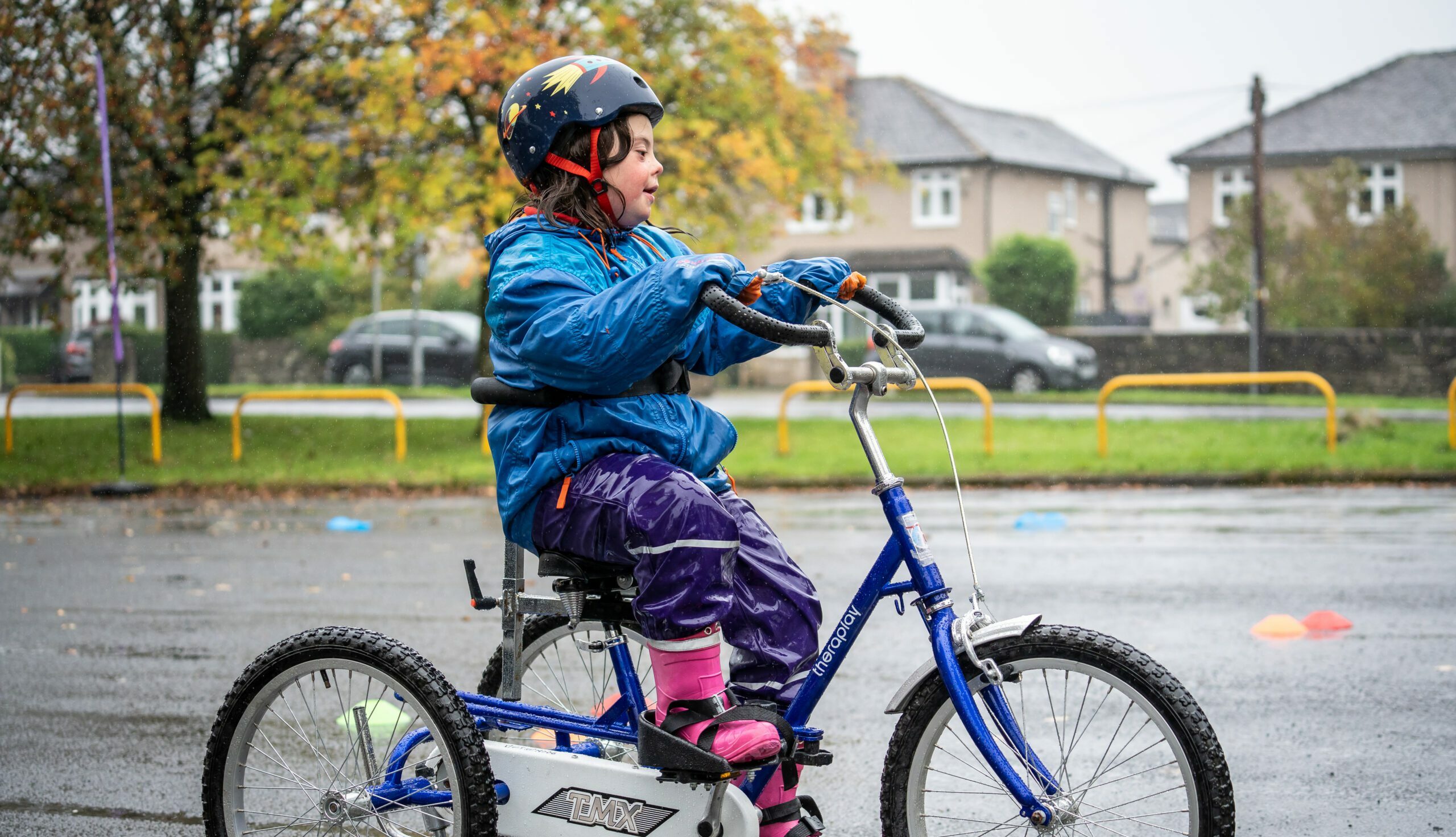
As the world’s largest Government-owned and funded road safety education programme, Bikeability helps hundreds of thousands of people build the skills and confidence to travel safely every year. This Road Safety Week, we’re looking at what the evidence tells us about cycle training and why it plays such an important role in making our roads safer for everyone.
Key statistics at a glance
- 25% of adults reported increased confidence after cycle training.*
- 92% of Bikeability Level 2 riders felt more confident cycling on roads after training.**
- 91% of riders felt safer cycling on the road after completing Bikeability Level 2 training.**
- 95% of former Level 2 learners said the training improved their awareness of road hazards.***
- 97% of parents said Level 2 improved their child’s road awareness.***
- Higher levels of Bikeability Level 2 delivery are associated with fewer KSIs and fewer cyclist KSIs.****
- 86% of former Level 2 learners said training helped them cycle on roads more often.***
*Re-engaging a Lost Generation: The Role of Confidence and Training in Adult Cycling Participation – Dr Dawn Rahman, prepared for The Bikeability Trust, May 2026
**Monitoring and Evaluation Report – The Bikeability Trust, June 2026
***Evaluation of Bikeability Level 2 Training: Long-term impact – B Gupta, K Nowak, I Marino, J Hitchings, A Asmal, G Beard, August 2026
**** Local Authority KSIs and the impact of Bikeability Cycle Training – TRL and The Bikeability Trust, 2024
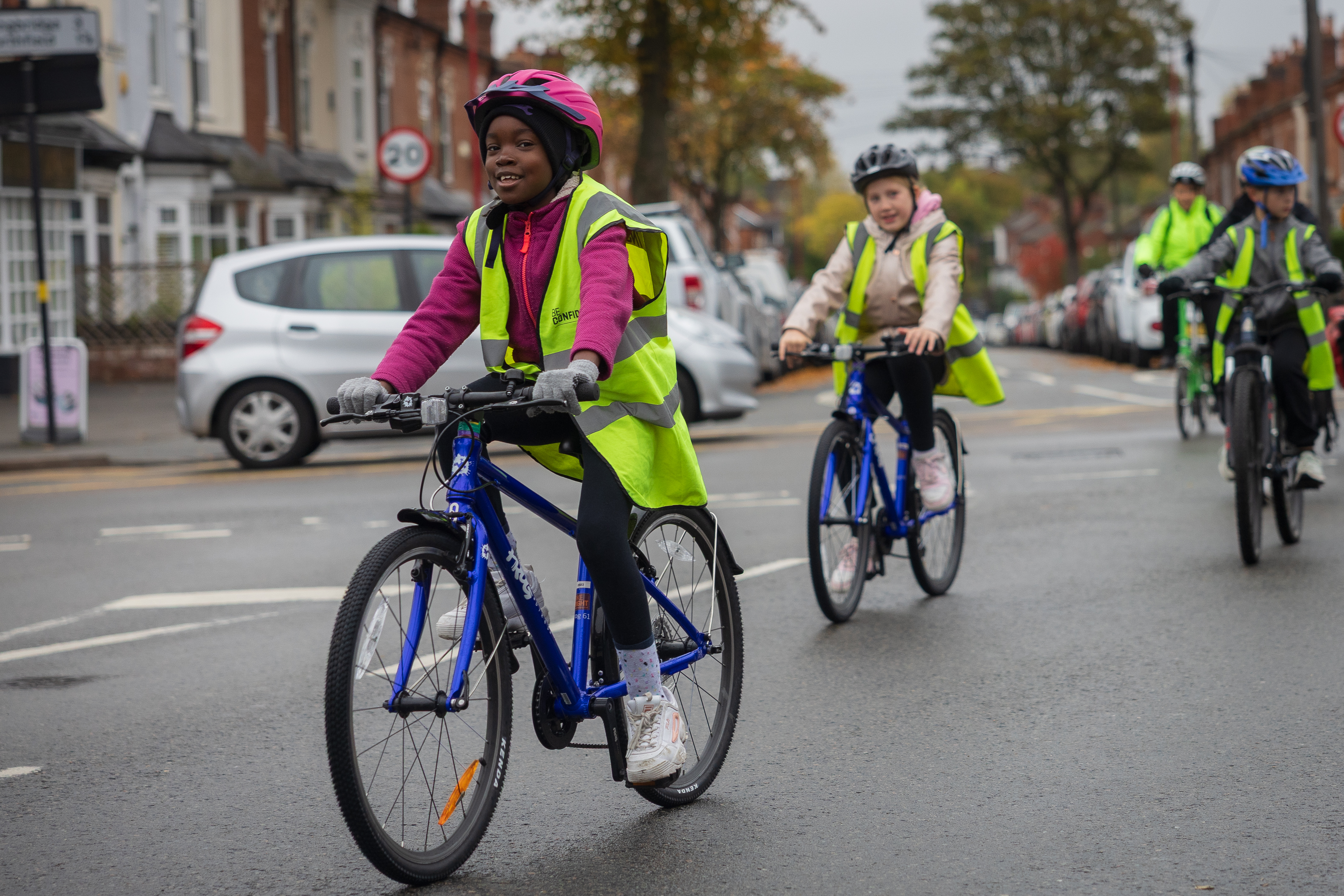
More Bikeability Level 2 training is associated with fewer people being killed or seriously injured
A 2024 Transport Research Laboratory (TRL) report analysed ten years of data from 109 English local authorities to explore the relationship between Bikeability delivery and road casualties.
Researchers found a statistically significant association between higher levels of Bikeability Level 2 training and fewer people killed or seriously injured (KSIs) on the roads. They also found a significant association between higher levels of Bikeability Level 2 delivery and fewer cyclist KSIs.
The report concluded:
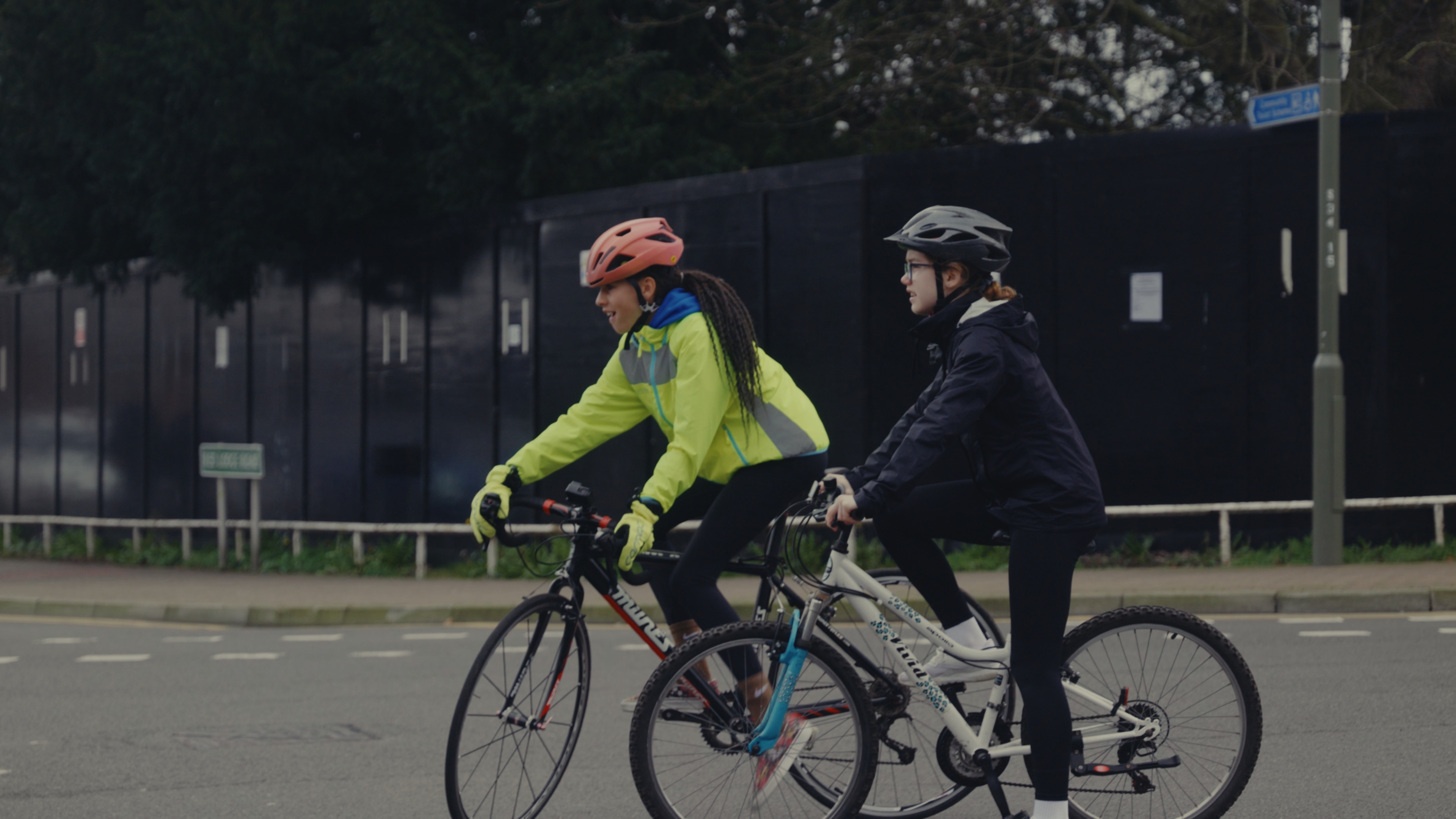
Increased training is associated with fewer KSIs and fewer cyclist KSIs at the local authority level.
While the researchers note that this demonstrates an association rather than direct causation, the findings do provide strong evidence that areas with higher levels of Bikeability Level 2 delivery tend to experience better road safety outcomes.
Further analysis in Mapping the National Standard for Cycle Training against KSI Statistics found that one of the most common factors in serious and fatal collisions involving cyclists was road users “failing to look properly”. This contributed to more than 11,000 incidents over a five-year period – a sobering reminder that all road users should remain aware that they share road space with people using different mobility modes. Every road user is responsible for keeping our roads safe.
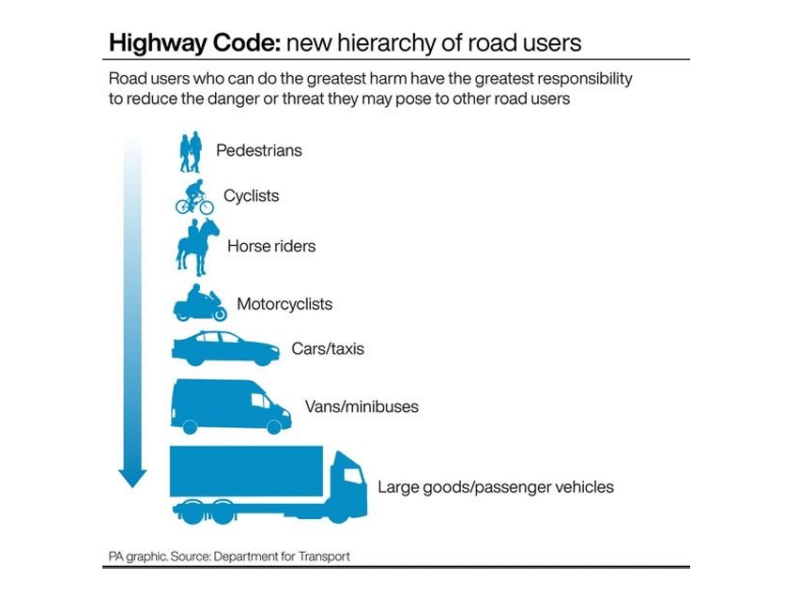
For crashes involving cyclists alone, loss of control is a major cause. Cycle training helps tackle all road risks by teaching riders how to develop skills such as hazard perception, effective communication, road positioning and speed management, all of which contribute to safer journeys.
Cycle training builds confidence in adult riders
Confidence is a crucial part of road safety, and often one of the biggest barriers preventing adults from cycling.
A report from The Bikeability Trust identified a “lost generation” of adults who missed out on formal cycle training as children, falling between the decline of Cycling Proficiency and the introduction of Bikeability. The report found that adults feel most confident cycling on traffic-free routes (62%) and quiet residential streets (71%). But confidence drops sharply in more challenging environments, with only 25% feeling confident navigating complex junctions or roundabouts.
Cycle training helps bridge that gap. Among adults who had received cycle training, 25% reported increased confidence, while 18% said training improved their ability to ride in traffic and 17% reported a better understanding of road positioning. The report also found that adults who cycle are significantly more likely to have received formal cycle training at some point in their lives, highlighting the important role training plays in building lasting confidence and participation.
….and gives children the confidence to use roads safely
Recent Bikeability monitoring and evaluation data found that 92% of riders reported feeling more confident cycling on roads after completing Bikeability Level 2, while 91% said they felt safer cycling on roads after training.
Notably, 28% of riders said they had never cycled on the road before taking part in Level 2. For many children, Bikeability provides a first opportunity to experience real-road cycling in a safe, supported environment.
The long-term impact also appears to last well beyond childhood. A 2026 evaluation by TRL found that:

86% of former Bikeability Level 2 learners agreed the training had helped them cycle on roads more often.
Cycle training helps people develop safer road skills
Road safety is about more than learning to balance and steer – cycle training equips riders with practical skills needed to navigate real-world traffic environments safely.
For example, Bikeability Level 2 teaches riders how to cycle safely on local roads, communicate with other road users and make informed decisions in live traffic situations. The long-term TRL evaluation found that 95% of former Bikeability Level 2 learners agreed that the training improved their awareness of road hazards, with 70% remembering their training well years later.
Bikeability’s Lost Generation report found that adults who took part in cycle training also reported improved understanding of key road safety skills, including hazard perception, road positioning and interactions with other road users. Interview participants described developing a clearer understanding of how to make safer decisions around traffic and how to position themselves effectively on the road.
Parents reported similar benefits. Among parents and carers surveyed:
- 96% agreed Bikeability Level 2 improved their child’s understanding of the rules of the road
- 97% said it improved their child’s road awareness
- 92% agreed it taught their child how to safely share road space with other road users
These findings suggest that Bikeability Level 2 helps young people maintain road safety skills and awareness long after training has finished.
Cycle training supports wider road safety education
Cycle training can be a powerful part of wider road safety education. The Bikeability Trust’s Safer Streets for All report, produced in collaboration with Living Streets, found that areas with higher rates of Bikeability training tend to have fewer people killed or seriously injured on the roads.
Bikeability Level 2 graduates are also significantly more likely to cycle for everyday journeys and leisure trips, helping build a generation of road users with a greater understanding of safe road behaviour.
By combining practical riding skills with road awareness and knowledge of the Highway Code, cycle training helps young people develop the confidence and judgement needed to stay safe around traffic, whether they’re travelling by cycle, on foot or as future drivers.
Cycle training helps create safer travel habits for life
One of the greatest strengths of cycle training is that it helps people develop safer travel habits that can last a lifetime. Research into the long-term impact of Bikeability Level 2 found that 76% of former learners cycle at least once a week, compared with just 13% of the general population, suggesting the benefits of training extend well beyond childhood.
Researchers concluded that Bikeability helps build the confidence, skills and awareness needed to support long-term participation in cycling, giving people the tools to travel actively and safely throughout their lives.
This need for lifelong support is reinforced by the Bikeability Trust’s “lost generation” research, which identified many adults who either never received cycle training or learned in a very different road environment.
The report found that training can help people rebuild confidence, improve their skills and develop safer travel behaviours at any age. It also highlights the potential intergenerational benefits, noting that adults who feel confident cycling are more likely to encourage children to travel actively and independently, helping to create a new generation of safer, more confident road users.

76% of former learners cycle at least once a week, compared with just 13% of the general population
The evidence is clear – cycle training does far more than help people cycle. It gives people the confidence to make safer decisions, build awareness of the risks around them, and helps create safer roads for everyone.
As Road Safety Week reminds us, preventing death and serious injury on our roads is a shared responsibility. By investing in education, skills and lifelong learning, we can help more people travel safely, confidently and independently.
Join the conversation this Road Safety Week, visit the Brake website to download your free Road Safety Week action pack, and explore how we can work together to make roads safer for everyone.
Build skills for safer journeys
If you’d like to learn how to cycle safely and with confidence, you can search to find your nearest Bikeability course here. Or, if you’re an adult looking to brush up on your road safety skills, we’ve also developed CycleIn – affordable, self-paced online training that helps build the skills and confidence to cycle safely on today’s roads.
All sources cited below can be found on our research and insights page:
- Re-engaging a Lost Generation: The Role of Confidence and Training in Adult Cycling Participation – Dr Dawn Rahman, prepared for The Bikeability Trust, May 2026
- Monitoring and Evaluation Report – The Bikeability trust, 2026
- Evaluation of Bikeability Level 2 Training: Long-term impact – B Gupta, K Nowak, I Marino, J Hitchings, A Asmal, G Beard, August 2026
- Safer Streets for All: The Upcoming Government Road Safety Strategy – The Bikeability Trust & Living Streets, May 2025
- Local Authority KSIs and the impact of Bikeability Cycle Training – TRL and The Bikeability Trust, 2024
- Mapping the National Standard for Cycle Training against KSI Statistics – The Bikeability Trust, 2023