


From Confidence to Cycling: Closing the Intention Gap
Children want to cycle, but turning that ambition into everyday journeys is not always straightforward.
August 5, 2026
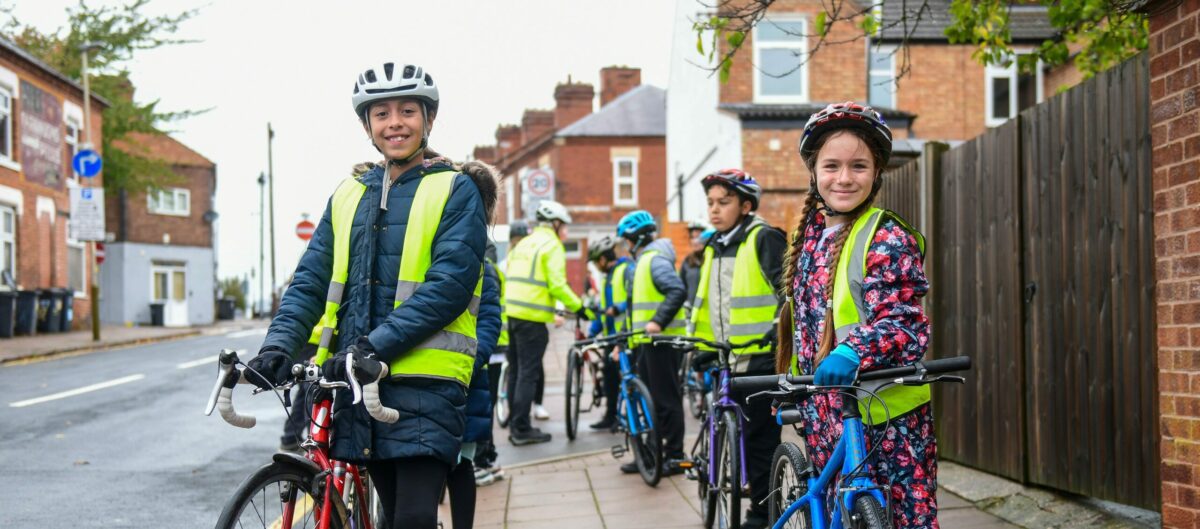
What if the biggest barrier to getting more children cycling isn’t confidence, skills or even motivation?
What if it’s mums, dads and carers?
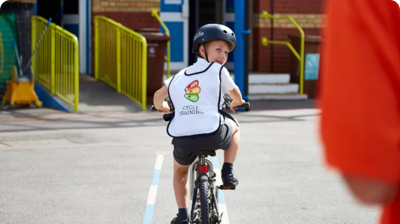
Recent Bikeability Level 2 and Level 3 evaluation research by TRL paints an encouraging picture. The vast majority of children who complete training leave feeling more confident, capable and motivated to ride. In fact, 83% say they intend to cycle more after training. Yet there remains a stubborn gap between intention and action, with around a quarter of learners struggling to turn that motivation into regular cycling because of confidence, route safety and access barriers. At The Bikeability Trust, we’re addressing these barriers with ongoing research, targeted programmes, and our upcoming Cycle Now brand launch, an exciting overhaul of our existing Level 3 training.
TRL also provided some clear recommendations.
- Activate the willing-but-inactive with simple, social rides on safe routes that build confidence through short, practical journeys.
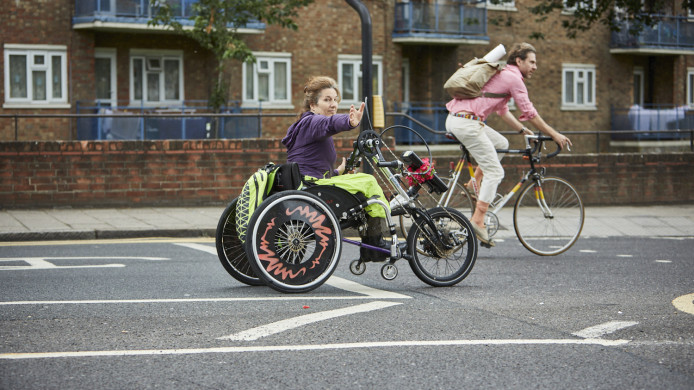
- Use peer support and inclusive leadership to normalise cycling, with visible female and global-majority representation.
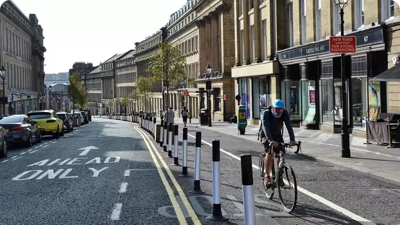
- Prioritise safer everyday routes by improving maintenance, visibility, low-speed zones, child-friendly junctions and quiet networks.
- Boost skills and safety awareness through targeted training (Level 2/3) and campaigns on overtaking, positioning, and riding in rank in all conditions.
- Support families, schools, and communities with group rides, clear guidance, accessible programmes, and links to local routes, cycle loans, and maintenance.
- Adopt an integrated investment approach: local authorities should align cycle training programmes with infrastructure planning to maximise the impact of both interventions on cycling participation.
The challenge isn’t that children don’t want to cycle. Bikeability’s own research shows that four out of five children would like to travel actively to school. The challenge is that children rarely make the final decision. Parents and carers do.
And that’s where things get interesting.
While 93% of children report feeling more confident on roads after Level 2 training, only 15% of parents and carers feel confident enough to cycle themselves. It’s a classic catch-22: children have the skills, but the adults who control permissions, plan journeys and set family travel habits often don’t have the confidence to support them.
That’s why Bikeability’s proposed development programme for 2026–2029 is focused not just on training children, but on creating the conditions that help families put those skills into practice.
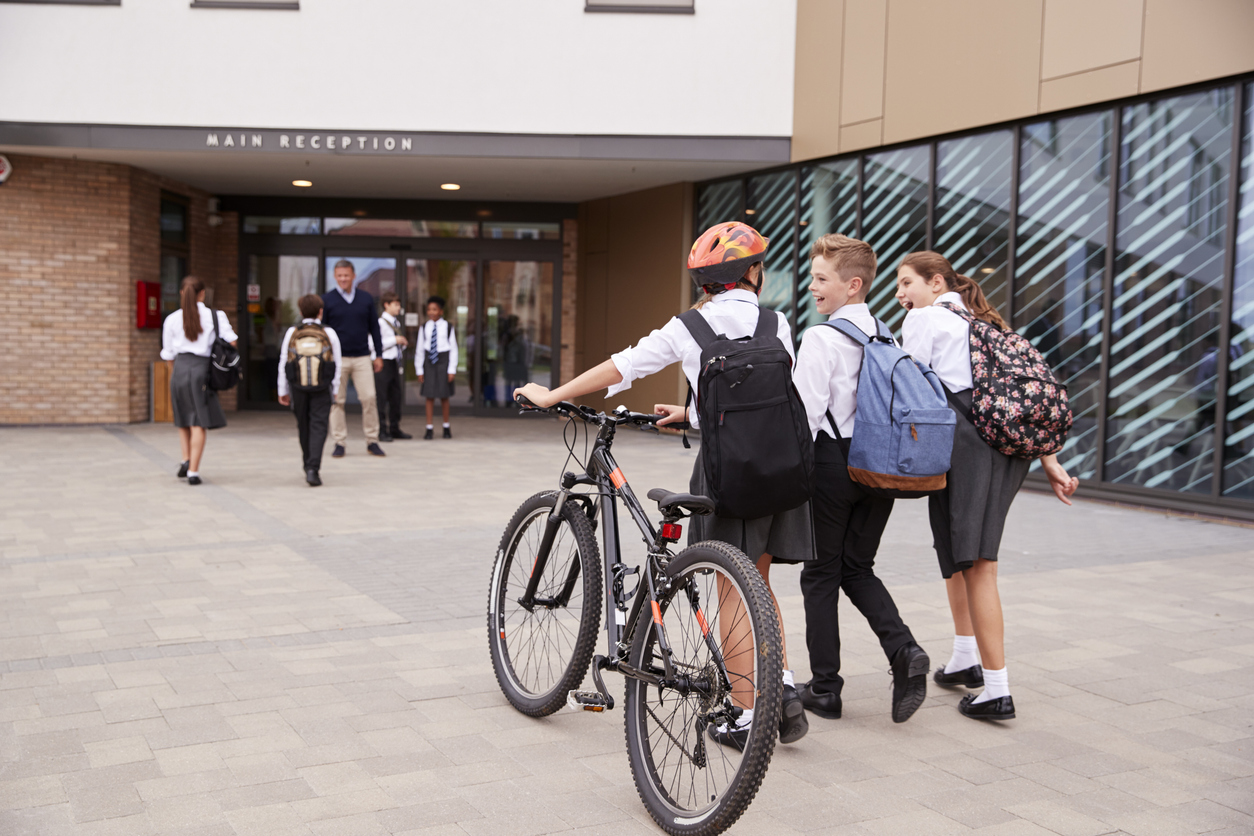
“The challenge isn’t that children don’t want to cycle. Bikeability’s own research shows that four out of five children would like to travel actively to school. The challenge is that children rarely make the final decision. Parents and carers do.”
The parent problem (and opportunity)
TRL’s research highlighted a familiar story. Many people genuinely want to cycle more, but confidence, safety concerns and practical barriers stop them from making the leap.
For children, those barriers often sit with their parents, with questions such as:
“Is the route safe?”
“Can my child really handle that junction?”
“Who else cycles to school?”
“What happens when they move to secondary school?”
These questions often lead to parents keeping bikes in sheds and children in cars.
I can relate to this. I certainly didn’t wake up one morning and decide to start cycling for everyday journeys. It took friends and colleagues encouraging me along the way: helping me choose the right bike, signposting me to cycle training, and even helping me work out routes that felt manageable and riding with me until my confidence grew. For many parents, that’s exactly the kind of support they need before cycling with their children feels like a realistic option.
So, rather than simply focusing on more training, our vision for Bikeability’s future development work aims to support the entire journey from learning to lasting behaviour change.
Core themes, one big goal
Over the next three years, development activity will focus on targeted, connected themes designed to get more people cycling more often.
Making riders ready
Learning to cycle is one thing. Actually using those skills every day is another.
This theme will explore how additional Bikeability activities, such as confidence rides, graduation rides, family cycling sessions and instructor-led bike buses, can help children and parents build confidence together.
The goal is to bridge the gap between training and real-world cycling.
Activate new instructors
Bikeability already relies on thousands of dedicated instructors, but demand continues to grow.
This project will explore new ways to attract people into cycle instruction, particularly young people, parents returning to work and early retirees. By widening the instructor pipeline, Bikeability can increase capacity while creating new employment opportunities within local communities.
Looking ahead
The evidence is clear. Bikeability works. Children leave training with the skills, awareness and confidence they need to ride.
The next challenge is helping families translate that confidence into everyday journeys. . With the two themes approved and more in the pipeline – we hope to start tackling this challenge.
By focusing on parents as well as children, strengthening local partnerships and creating more opportunities to practise riding in the real world, these four development themes aim to unlock the full potential of Bikeability training.
Because teaching children to cycle is the foundation.
The next step is creating the confidence, support and opportunities that help families make cycling part of everyday life and helping the grown-ups believe they can. Much like the people who helped me understand that cycling is for everyone, including people like me.
Read the Level 2 report in full here and the Level 3 report here.
Blog by Beccy Marston – The Bikeability Trust’s Director of Development